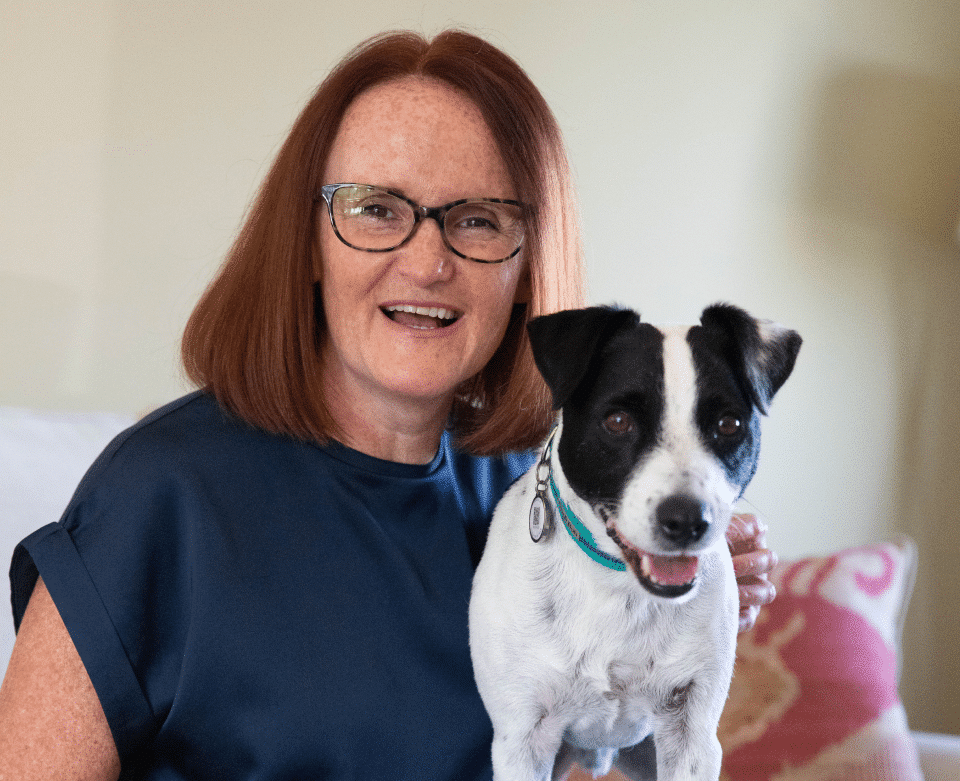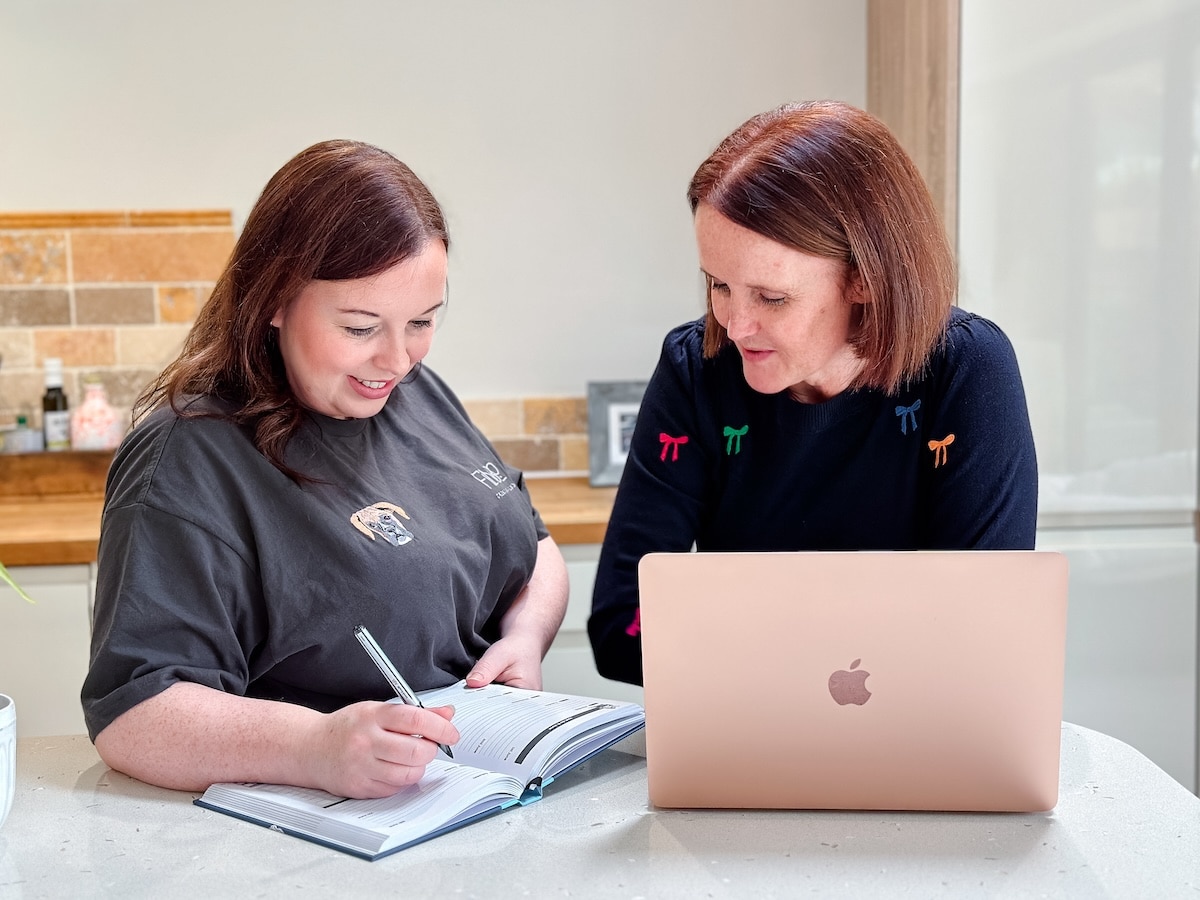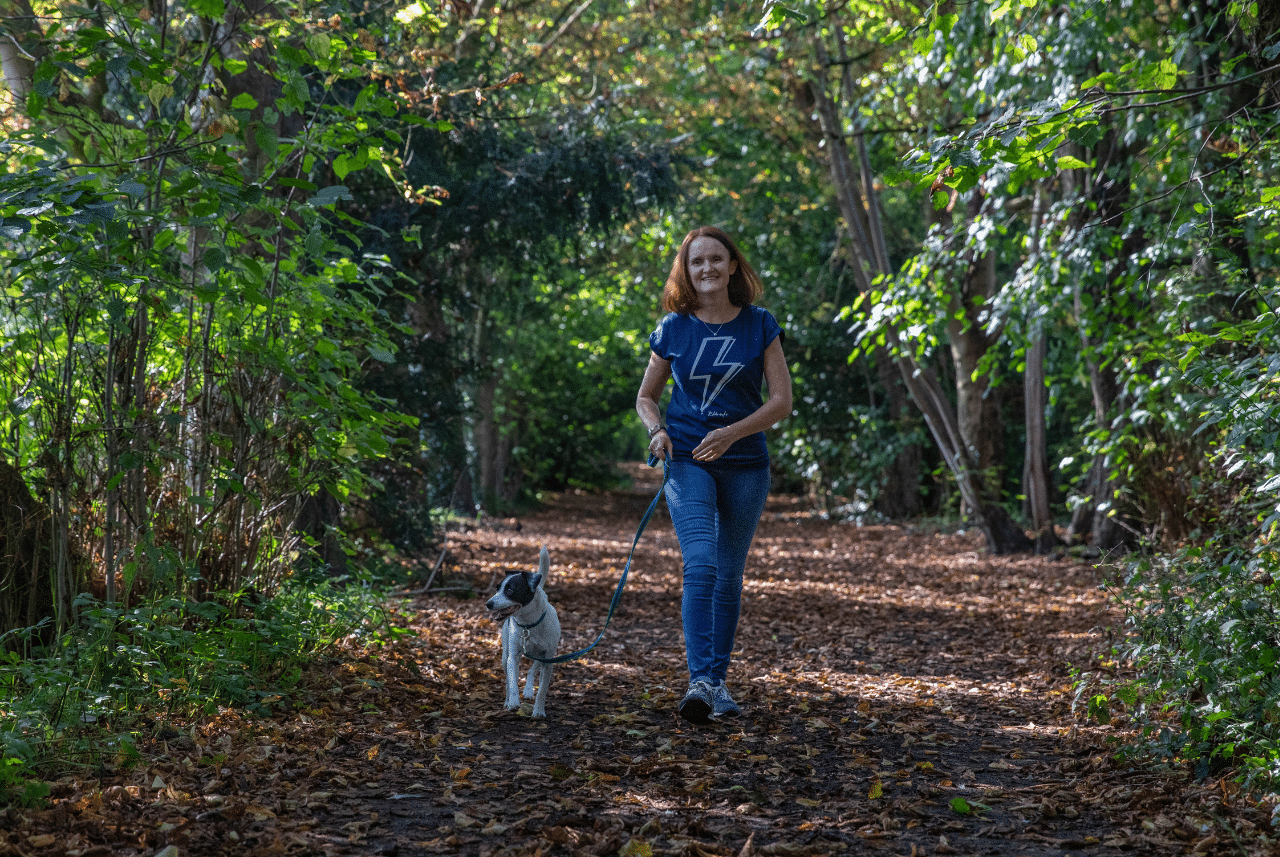


Helen Wainwright is co-founder of the Dog Trainer School, a supportive online community for professional dog trainers that she runs alongside her partner Lee.
Before working with dogs, Helen spent nearly a decade as a product tester and journalist at Good Housekeeping magazine, and later worked in community development.
Going from glossy mags to working as a dog trainer meant taking a huge chance, but you’ll hear in this chat how it turned out to be exactly the right preparation for what she does now.
We talk about how the Dog Trainer School came to be, the brilliant new Dog Trainer School Approved scheme, and what Helen has learned about running a business on your own terms without burning out in the process.
We also get into the stuff that doesn’t always get talked about.
The pressure to prove yourself, the hustle culture that doesn’t just impact dog trainers but all pet professionals on social media and how to work out what is enough for you.
Listen in on the player link below and you can read the key points covered at the bottom of this post too.
Key topics and timings in this episode:
0.20: Episode overview.
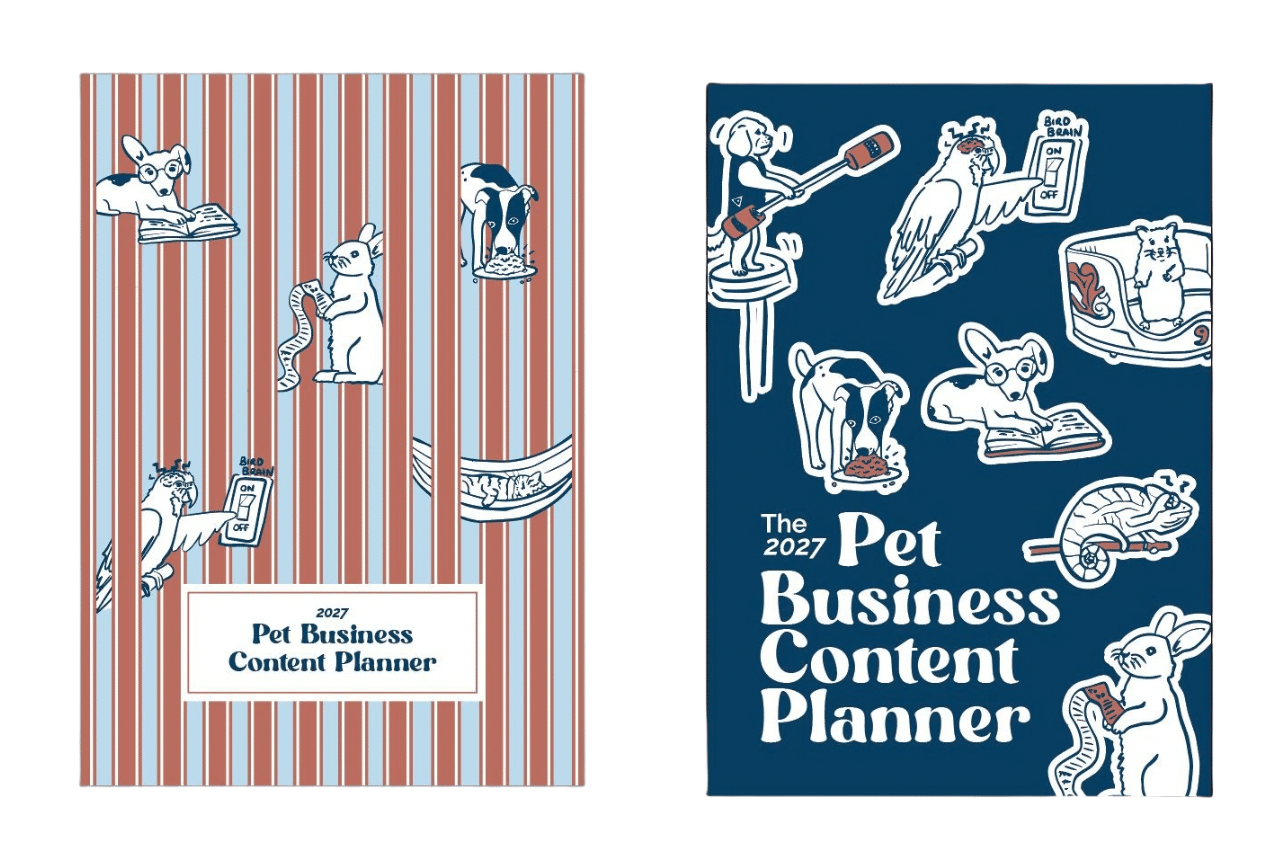
0.50: Sponsor message – 2026 pet business content planner.
2.20: Helen introduces herself and the Dog Trainer School.
3.09: Why the Dog Trainer School exists — the gap that nobody was filling after qualification.
4.04: Putting together support for trainers from class plans to Canva and SOP documents.
6.51: How Helen and Lee bring in their real-life experience and reassurance into the Dog Trainer School as they’re still out there training dogs.
8.44: Imposter syndrome in the dog training industry and why it’s so common.
10.14: Helen’s background as a product tester and journalist at Good Housekeeping magazine and the Good Housekeeping Institute.
11.32: Being burnt out and going from community development to co-founding the Dog Trainer School, and the boss who believed in her.
12.36: What Helen learned in the Good Housekeeping Institute and behind the scenes on life there testing everything from wellies to washing machines.
15.46: The Dog Trainer School Approved scheme — how it works, what brands get, and why it matters.
16.50: Testing out the ideas at PATS in 2025 and getting her first brands on board.
17.24: How the testing works and why 30 dog trainers testing a product gives brands something genuinely valuable.
19.30: The value in the validation and what’s involved if you do work with TDTS.
22.42: The full circle goal: getting the logo on packaging so dog owners can find ethical trainers.
27.15: Standing out in a busy market and why Helen’s biggest advice is to stop watching what everyone else is doing.
30.19: The enoughness conversation — what success actually looks like when you work for yourself.
32.10: Why you don’t need to have a high ticket offer and to do what works for you.
35.04: The pressure dog trainers face from family and friends who don’t take it seriously as a career.
38.18: The move towards taking pressure off yourself and asking ‘am I happy.’
41.28: Finding a way of creating content that is fun and relatable.
42.58: Working with your partner and finding the balance.
44.51: Why Helen goes to the gym every day and won’t book meetings over it.
48.37: The coaching relationship Helen walked away from in December, and trusting your gut.
50.47: Helen’s recent example of staying true to what the Dog Trainer School is actually for.
53.48: Being mindful of the advice you’re consuming as a business owner.
57.16: The importance of ensuring her clients feel like they’re not a number.
58.18: What’s next: helping dog trainers feel more confident in the practical side of their work.
59.28: Acceptance and commitment — doing the scary thing anyway.
1.01.09: How to find Helen and the Dog Trainer School.
Find out more about Helen and the Dog Trainer School:
Website: www.thedogtrainerschool.co.uk
Instagram: https://www.instagram.com/thedogtrainerschool/
Facebook: https://www.facebook.com/thedogtrainerschool
Dog Trainer School Approved scheme: https://thedogtrainerschool.co.uk/tdts-recommended
Related posts
Creating content for your clients, not other pet pros
Jane Ardern on running a dog training business where you put yourself first
Sasha Louise Smith on using your strengths to build a business you love
The rollercoaster of running your own pet business
How to find your voice in your pet business with Rikki Sullivan
How to use the pet business content planner
Why the right pet business community matters
How to create a social media calendar for your pet business
Should you buy my pet business content planner?
Episode summary
Prefer reading to listening? Here’s a Q&A-style version of my conversation with Helen, taken directly from the podcast transcript.
Can you tell us about the Dog Trainer School and how it came about?
“When you become a dog trainer, there are lots of organisations that want to help you get qualified or get you started.
“But once you’ve got that badge, there’s very little support afterwards.
“I remember when I was a dog trainer, coming home on the train Googling what to teach in my class that night.
“My mum was a teacher, so I knew class plans were a thing for teachers. And I was like, why aren’t they a thing for dog trainers?
“Seven years after I’d become qualified, I thought – we should really make some support for people to access.
“The industry really has a lot of imposter syndrome, a huge lack of confidence. And I think partly because there isn’t that support after qualification.”
What kinds of things do members get access to?
“We have class plans, client handouts, terms and conditions templates – all the things that you’d want when you’re starting your business.
“Maybe you’re not that confident to do it yourself, or you’re not that tech savvy, or you just don’t have the time.
“Lee has been a dog trainer for over 15 years and has trained thousands of dog trainers with other organisations, so he really knows what people are missing and what people would like.
“We’ve used his knowledge and my kind of tech skills to merge.”
Tell us about the Dog Trainer School Approved scheme.
“I went to PATS a couple of years ago and there were so many products that were so similar.
“I remember walking around being like, ‘Okay, that’s another dried animal product. But why is that one better than that one?’
“There’s nothing other than what the product is telling me.
“I spoke to a couple of brands and said, ‘Look, I’m thinking of starting a recommended product scheme with our members. They’ll test the product, and based on feedback, we’ll give it our seal of approval or not.’
“All of them were like, ‘I want that. That’s what we want. Please, please do it!’
“It was supposed to be a gentle introduction, but it ended up being quite a snowball. We now have 11 brands with products that are recommended.”
How does the testing process work?
“We pick 30 testers from our members – and 95% of our members have more than one dog.
“Between them, they probably have a reach of over 100,000 on social media.
“They trial the product for around three or four weeks, and then they complete a survey – ease of use, applicability for the dog, did you like it, would you recommend it, value for money.
“We also give the brand the opportunity to ask their own questions – maybe they’re thinking of changing their packaging, or adding usage guidelines.
“Based on the feedback, we decide whether or not the brand gets the seal of approval. The pass rate is about 80%.”
What do brands get at the end of the process?
“They get verbatim feedback, a full feedback report, a one-pager, a press release, a blog, and social media content coverage.
“They also have branding that they can use.
“It starts from £120, and some smaller brands have used it for funding opportunities – to take it to an investor and say, look, it works.”
What would you say to dog trainers who feel the pressure to keep up with what they see on social media?
“Stop worrying what everyone else is doing.
“So many dog trainers have become dog trainers because they want to work with dogs, they want to help people with their dogs, and it gives them flexibility.
“If you’re ticking those boxes and enjoying what you’re doing, that is enough.
“The people posting that much content – they might not have the same commitments you’ve got. They might not have a family, or children, or parents they’re looking after.
“Don’t ever feel like you’re failing because somebody else looks like they’ve got their s**t together and you haven’t.”
How do you handle the comparison trap yourself?
“I’m constantly unfollowing things on social media.
“If something is giving me some sort of anxiety or making me feel like I’m not good enough, I’m going to unfollow it.
“Dog trainers are not making content for other dog trainers – or they shouldn’t be. They should be making content for dog owners.
“If you’re consuming it and it’s making you feel bad, then stop. Because it’s not for you.”
You mentioned walking away from a coaching relationship last year. What happened?
“We got to the end of the year and had a chat with the coaching team, and she said to me in that meeting – ‘The members don’t matter. You need to be working with big corporates. That’s where your money is.’
“In that meeting, I said I’m not working with her anymore. That was that.
“Because the members do matter, so much. That’s exactly the whole point of what we do.
“I can’t believe we’d worked together for a year and now you’re saying that.”
What did that moment teach you?
“It isn’t someone else’s business.
“I think that’s almost the danger of consuming lots of online advice – they’re talking about advice as in, if they were running a business. But it’s not your business, and it’s not what you want it to be.
“We want to create something that has longevity and that really means something.
“That moment helped us both really look at the business and the path it would have ended up taking, and put the brakes on and be like – no. Let’s go the way we originally planned, but let’s put everything into that.”
What’s next for the Dog Trainer School?
“The future of the Dog Trainer School is really giving people confidence in the practical skills.
“There’s lots of theory, and lots of dog trainers are really good on the theory and knowing all the science.
“But the actual practicalities, and the confidence in the practicalities – that’s what’s lacking.
“We’d really like to help trainers feel more confident in delivering the training. That’s our big one.”
Any final thoughts for anyone finding it hard to feel confident right now?
“I’m not confident in myself, but I can fake it, and I’m confident enough that I will get stuff done.
“I won’t think that I can’t do something.
“You don’t need to get cocky, but you do need enough confidence that you’re not crippled with fear and anxiety about doing something.
“It’s getting that balance.”
Learn more about Helen’s work on her website: www.thedogtrainerschool.co.uk