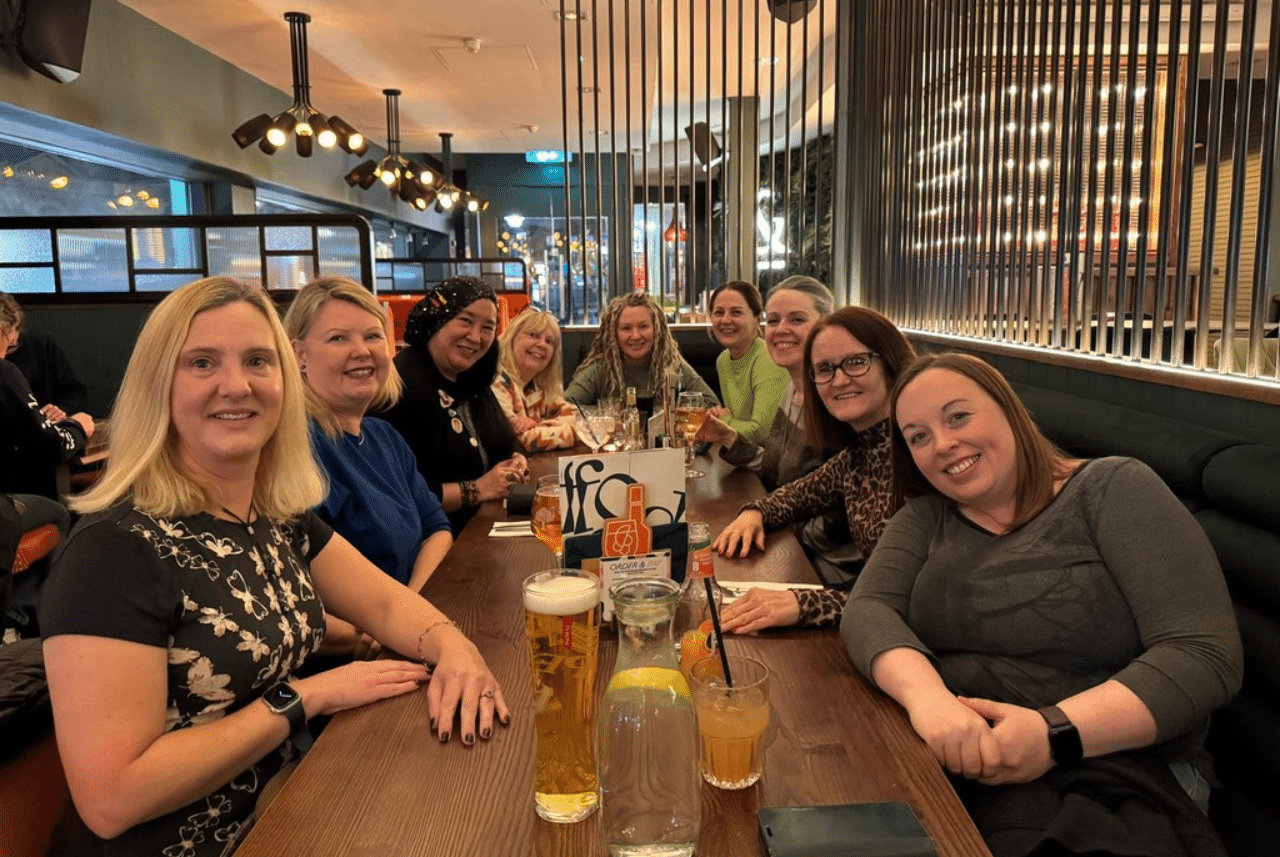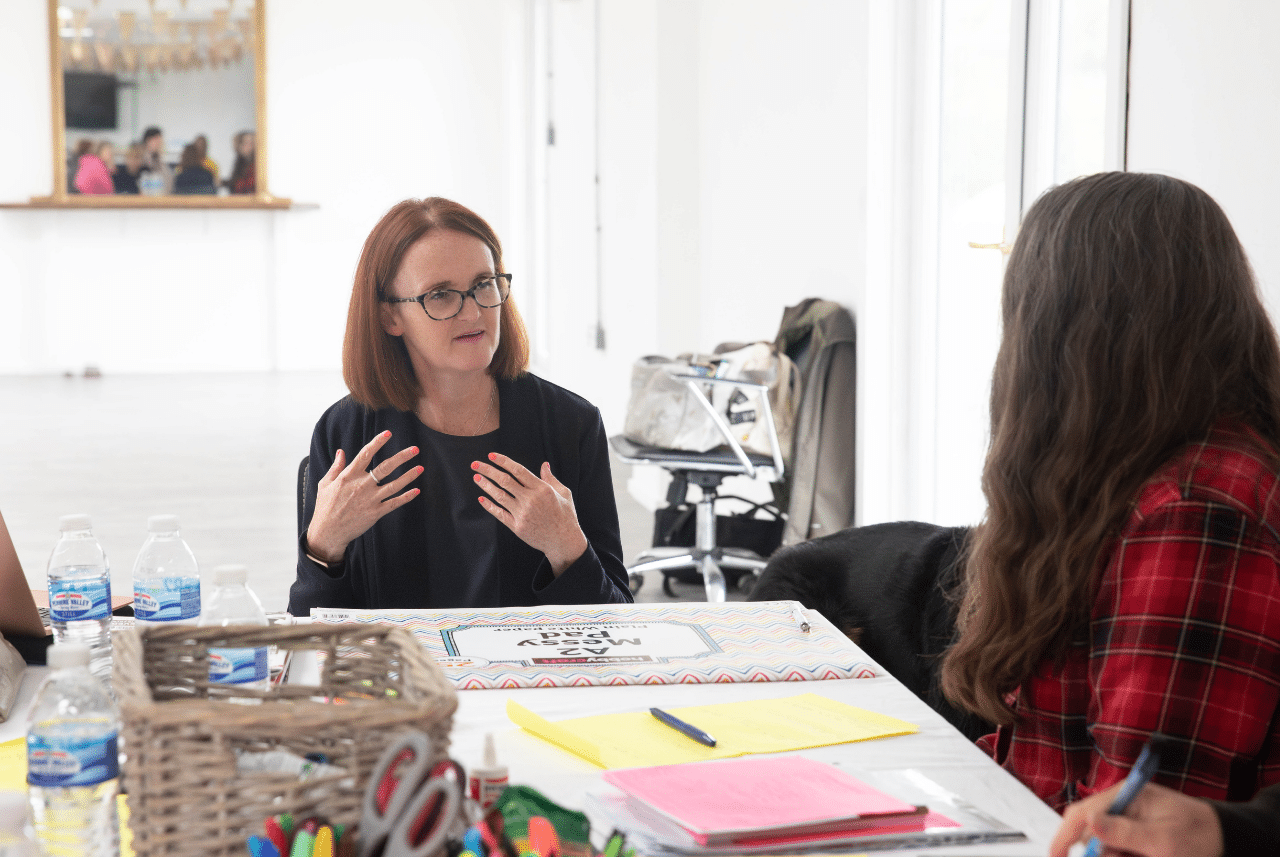


I’m studying to become an Emotions Coaching Practitioner for 2026 with Zoe Hawkins and Jo Wheatley from In Good Company.
They’re a coaching training provider and also run The Coaching Crowd podcast which is worth a listen, whatever job you do but particularly if you’re working with pet owners.
And I wanted to share what I’ve been learning so far, because while I started the course because I wanted to learn more about emotions for myself, I know it’s going to be of huge value for my clients too.
We feel different emotions in every hour of every day and they impact on how we are in our businesses.
For example, I’ve never met a pet business owner who says they don’t experience imposter syndrome, or who has never looked at others and compared, or who has never experienced overwhelm.
And imposter syndrome isn’t a syndrome at all – it’s an emotional response.
It’s the same with comparison, overwhelm, feeling stuck, or that annoying voice that tells you that you’re not good enough or that someone else is doing it better.
These don’t sound like emotions when you’re in the thick of them, but they’re all rooted in how you’re feeling, and once you understand that, you can actually do something about it.
I’m currently working with ten coachees to learn and develop as an Emotions Coach, and I’ll be qualified by the end of the year.
What I’ve realised during this training is that Emotions Coaching isn’t some fluffy, nice-to-have thing I can offer, it’s fundamental to helping people move forward in their businesses and their lives.

Why emotions matter
When you’re running a pet business, so much of what you do is connected to how you feel about yourself and your work.
You might have brilliant products, or you might be genuinely skilled at training dogs or grooming cats or photographing pets.
But, if you don’t feel confident about sharing that work, if you’re held back by self-doubt, if you’re exhausted from comparing yourself to others, then none of that good stuff gets to reach the people who need it.
You’re ‘silently brilliant,’ but if no-one can see or hear you, how do they know you’re there and you can help them?
I’ve worked with so many talented pet business owners who are struggling not because they’re not good enough, but because their emotions are getting in the way.
And what’s interesting is that these emotions aren’t just happening randomly – they’re trying to tell you something important about what you need.
You are not your emotions
The programme has six principles in total, and one of them that I know is really going to resonate with the coachees I’m working with on this is that ‘You are not your emotions.’
There’s a massive difference between “I feel anxious about my launch,” and “I am an anxious person,” or “I’m struggling with confidence at the moment,” and “I’m not confident.”
The first one is temporary – something you’re experiencing in this moment, about this particular thing.
The second one feels permanent – like it’s just who you are, and that’s so much harder to shift.
Imposter syndrome works like this. You think you’re not good enough, so you tell yourself the story that you’re an imposter, and then everything you do has that belief underlying it.
You’re waiting for someone to find you out because you think you’re not as good as people think, and assuming people won’t want to work with you.
You’re holding yourself back from opportunities because you think ‘Who do I think I am to do that?’
But it’s not who you are, it’s a feeling.
What if you were someone experiencing a moment where you felt like an imposter, and that moment was something you could move through, rather than something that’s permanent?
What you really need is…
Another principle in the training is that ‘Emotions are unmet needs.’ So what does this mean?
When you’re feeling guilty, insecure, angry or frustrated because it feels like everything is crashing around you, there’s usually a need that isn’t being met underneath that feeling.
Think about overwhelm, for example.
When you’re feeling overwhelmed, it might feel like you just have too much to do, but often what’s really going on is that you need more support, or more time, or you need to feel heard and valued for the work you’re doing.
You might need clarity on what matters, or you might need to let yourself off the hook a little and accept that it’s ok to slow down.
Once you identify what need is underneath the overwhelm, you can do something about it.
This is why so much generic productivity advice doesn’t work for people – they’re treating the symptom (too many tasks) rather than the underlying need.
When you understand what you need, you can start to make changes that address what’s going on, rather than pushing through and exhausting yourself.
Understanding what you’re feeling
The final principle that I want to share with you today is that ‘Emotions aren’t always authentic.’
What I mean by that is sometimes the emotion you think you’re feeling on the surface isn’t what you’re really feeling.
You might feel angry, but underneath you’re hurt. Maybe a client has been awful to you and you’re fuming, but really it’s because you feel they don’t value the work you’ve put in to support them.
You might feel anxious about promoting your business, but what’s really going on is fear of exposure or fear of being judged by other people in your industry.
This is known as ‘The Peer Fear’ and there’s a coaching exercise for this in my Pet Business Content Planner for 2026 which you can see here.
You might feel overwhelmed, but the issue is you’re taking on more and more and people aren’t buying so you feel rejected as it’s like you’re not being valued for what you do.
When you’re working with emotions, getting to what’s really going on underneath is where change happens.
Because once you understand what’s underneath the surface emotion, you can address it and move through the emotional experience and out of the other side.
I worked on each of the six principles myself as a coach and a coachee (person being coached) and it was so freeing.
It’s not like a miracle cure, but once you understand something, and also say it out loud, the thing that you’ve been struggling with loses its power.

Why this matters for your business
I know some people will be rolling their eyes now I’ve started talking about Emotions Coaching on social media and here in this post.
But it isn’t fluffy nonsense – because your emotions have a massive impact on how you run your business.
They affect what you share, how or if you put yourself out there, what opportunities you go for, how you price yourself, how you talk about your work.
If you’re stuck in feelings of imposter syndrome, you might not pitch to the press.
If you’re held back by comparison, you might not share your work as confidently.
If you’re crippled by overwhelm, you might not spend time doing the things that will help you grow.
When you work on the emotion underneath, you free yourself up to run your business in a way that feels good, and that’s when things start to change.
Where I’m up to with my training
I’ve studied the six principles and tried them out with the other members of the cohort of the Emotions Coaching Practitioner with In Good Company that started in February 2026.
At the time of publishing this post, I’m about to start working with ten coachees to develop my skills in using the Emotions Coaching activities and principles.
Once I’ve completed the coaching hours I’ll submit an assignment with evidence that I have been able to meet the competencies and skills.
This will be assessed and I will be a Certified Emotions Coaching Practitioner by the end of the year, and this will become a core part of how I work with my one-to-one clients.
Interested in working together?
If you’re curious about how Emotions Coaching could help you or your business, I’d love to hear from you.
Send me a message via the contact form, or on social media on Instagram here or Facebook here and you can fill in my coaching application form to see if we’re a good fit.
Related posts
Why I am an accredited pet business coach
The confidence experiment and how you can feel more brave
How to choose the right pet business coach
Navigating stop start times in your pet business
The rollercoaster of running your own business
Could imposter syndrome be your friend with Nicola Kinnard Comedie