

This week (July 2026) marks 20 years since I left the News of the World after two years working there as a staff feature writer and set up as a freelance journalist.
I had no plan beyond writing stories for national papers and magazines, no website I knew how to use, and definitely no idea that twenty years later I’d be running a coaching business, creating a pet business planner, and own a dog-friendly cottage in Robin Hood’s Bay.
Back then I put flyers through people’s doors to find stories, I didn’t have email on my phone and there was no social media or iPhone.

I treated myself to a Blackberry so I could access email when I was out and about and used a Canon Ixus if I wanted to take photos.
The world I started out in sounds like the Dark Ages now, and the business I run today wouldn’t have made any sense to the person I was then.
So here are twenty things I’ve learned along the way, in no particular order!
1. You don’t need a plan, you need to keep moving
When the News of the World closed in 2011 following the phone hacking scandal, I lost between 70-80 per cent of my income overnight.
I panicked, then got a part-time shift job at another newspaper to cover my bills, and later a PR company, and kept trying out new things and pitching like a crazy person while I figured out what came next.
2. Feast and famine never really go away
In my first few years freelancing, I was easily earning six figures, working so hard I didn’t had time to spend it, and it meant I saved to move to a nicer house, put down a lot of money, and now am mortgage free.
I still aim for roughly the same income now as I did back then and I’d love to tell you I’ve cracked some clever system for managing the unpredictability of self-employed income but I haven’t.
I stay on top of my accounts, have an income goal I want to hit each month, and keep going.

3. Being clueless is ok and you don’t need to shy away from learning
When BuzzFeed asked me to write for them in 2014, I couldn’t upload an article, let alone use a content management system properly.
I was in my late thirties and completely out of my depth and it took me three days and a lot of tears to upload a simple listicle, so I knew I needed to drag myself into the 21st century when it came to my skills.
I did a digital marketing diploma that honestly didn’t teach me much, and learned far more sitting with Sophy at Beech Web Services, who showed me the basics of WordPress one afternoon at a time.
That structured course promised a lot and delivered very little. What actually moved me forward was a person who knew what they were doing, showing me, patiently, in person.
4. Don’t worry about people taking the mickey
When I started offering different things, copywriting at first, then training on how to get press coverage, I used to worry about what other journalists thought of me.
They’re not the people who are going to pay you money, and they’re looking at you far less than you think, if at all, because they’re getting on with their own lives.
5. A book can change your direction
Reading The Million Dollar Blog by Natasha Courtney-Smith is what gave me the push to start my pet blog, The Paw Post, in 2017.
I didn’t know it at the time, but that decision quietly became the foundation for everything I do now.
6. The best changes in direction aren’t always planned
I started the blog because I had a dog, Daisy, and loved writing about dog-friendly life. People got in touch wanting to be featured.
When they found out I was a journalist, they started asking how to get press coverage themselves.
There was no single moment where I decided to become a coach for pet businesses; it happened by accident as much as I made it happen.

7. Everyone has a book in them!
By 2018 I was answering the same questions about press coverage so often that I spent a month writing a short book, Publicity Tips for Pet Businesses, so I had somewhere to send people.
I thought that would be the end of it and it was the thing that started this business.
You can still buy the book on Amazon here for just £12.99!
8. It’s ok to find the first few posts terrifying
I still remember the first time I put up a Facebook post offering to help people write press releases. I was shaking.
I kept checking it, convinced someone would leave a horrible comment. Nobody did.
That fear has never fully gone, but I’ve learned it isn’t a sign that you need to stop.

9. A launch that fails doesn’t mean you were wrong or rubbish
I ran an online course called Get Your Pet Business in the Press for a couple of years, and it did well.
Then one launch, not a single person bought. It knocked my confidence and I needed to take some time to work out what to do next, and did the NatWest Entrepreneur Accellerator.
I also did a shorter course focusing more on confidence, called The Be Bold Bootcamp, and took a lot of what I learned people needed and built it into a new membership.
When I launched Pets Get Visible in November 2022, it was the right thing at the right time and people signed up, and my confidence started to build again.
10. Ending something that’s served its purpose isn’t failure
My first membership, built around that publicity course, ran for a couple of years before I turned it back into a straightforward course.
When the cost-of-living crisis hit, I launched Pets Get Visible, which was more affordable instead. Looking back, some of those decisions weren’t perfect.
But being willing to close something down rather than keep propping it up has mattered more than getting every decision right.
11. Your circle changes as your work does
Most of the people I knew well in journalism aren’t part of my world day-to-day anymore, and that’s what happens when your work changes.
I’m still really friendly with people I met via the blog when I started on Twitter in 2017, like the designer Alison Price from No27 Design and Kerry Jordan from Fur and Fables photography.
The people who are still around now are often doing something completely different from when we first met.
12. Always look after your contacts because you’ll need them in future
Journalists I worked alongside years ago, people like Antonia Hoyle, Jane Common, Jenny Holliday and Jill Foster, have since come in as guests to support my own clients.
The relationships I built chasing stories in my 30s and 40s are still paying off now, just in a completely different way.
13. You don’t have to prove yourself to the people who won’t pay you
I sometimes worry that people still in journalism see me as having stepped away from something serious into something lesser. I know that isn’t true.
I left because the work was drying up and I could see it wasn’t coming back, and what I built instead has been worth all of the effort and I feel a lot more secure now than I did freelancing.
14. Focus on your own platform first when it comes to content
From the moment I had an online business, I’ve worked on the principle that you build your core content somewhere you control, your website, and then repurpose it out to social media.
Platforms come and go and we don’t own any of them. Having a website that showcases how you work that people can properly get to know you through matters more than any single post.
15. Consistency works best for me rather than big launches
My non-negotiables every week, for my coaching business are a blog post and a newsletter.
For the Sunnyside Cottage website, it’s a blog and newsletter each month.
Since starting blogging, that’s added up to 271 podcast episodes and around 700 blog posts across both blogs – I still get traffic from The Paw Post that I starred in 2017 too.
16. The world doesn’t wait for you to catch up
I don’t think there’s ever been a point where I’ve felt properly on top of things. Social media, SEO, AI, whatever comes next, it keeps moving.
I think it’s about being a leading learner, admitting I don’t have all the answers, and has served me far better than thinking I should know it all.
17. Telling people what to do is easier than coaching them
I still do quite a lot of done with you, done for you work. But I don’t want to be telling people what to do any more.
I love letting people take ownership of solving their own problems and empowering them to figure stuff out for themselves, rather than just helping them through it and I can see now it gets better results.

18. You never really know what might happen
If you’d told me in 2006 that I’d one day own a dog-friendly holiday cottage in Robin Hood’s Bay, I’d never have believed you. I didn’t even think I could have a dog.
I was on the road all the time as a journalist, and wasn’t able to be responsible for a living creature! Then Daisy came along in 2009 and changed everything.
She turned me into the crazy dog lady I am today, and after losing her in 2018, I adopted Patch and developed an obsession with Robin Hood’s Bay.
Fast forward five years, and I was selling my old house, and looking for a cottage to buy.
Sunnyside Cottage still doesn’t quite feel real, three years in.

19. Work doesn’t have to feel really hard to count
I’ve always had a strong work hard, try hard driver, the sense that I need to overdeliver to prove I’m worth it.
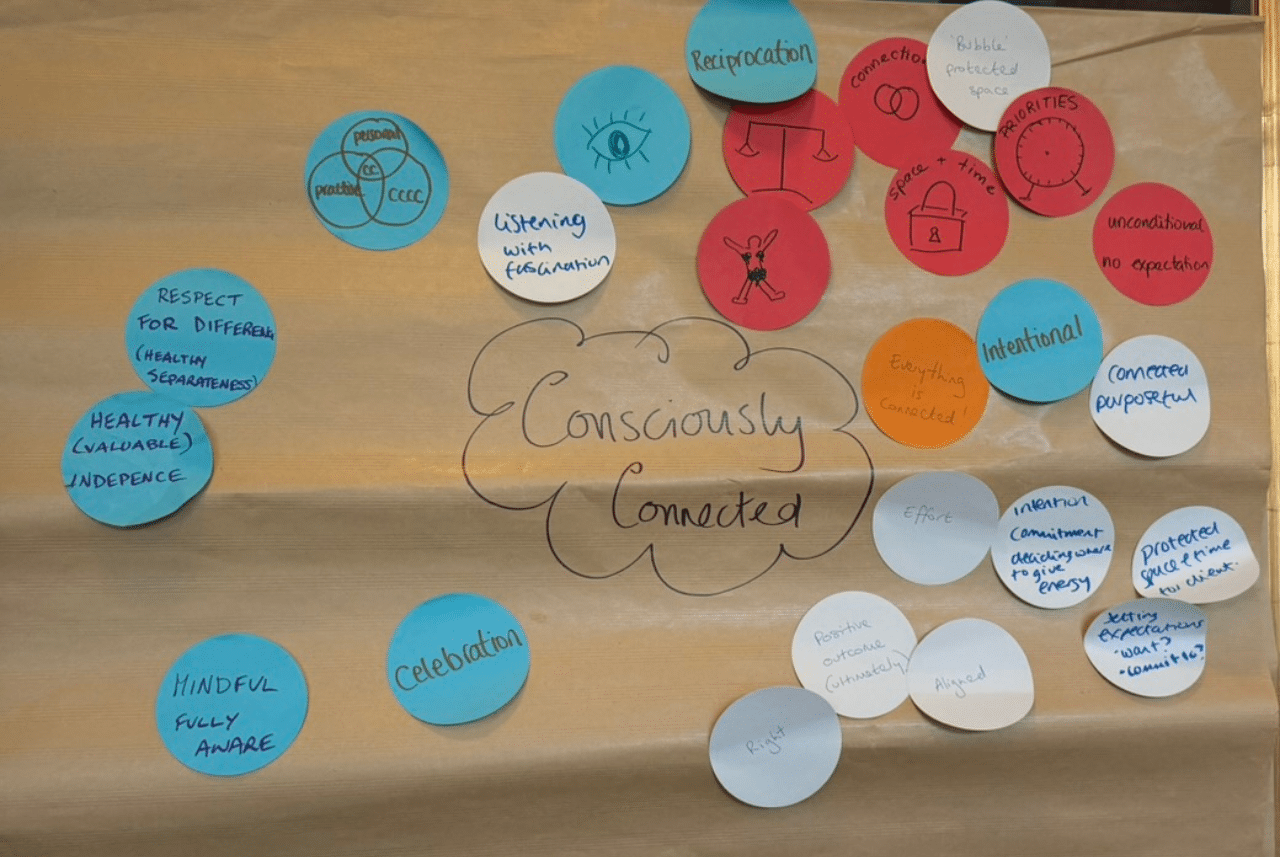
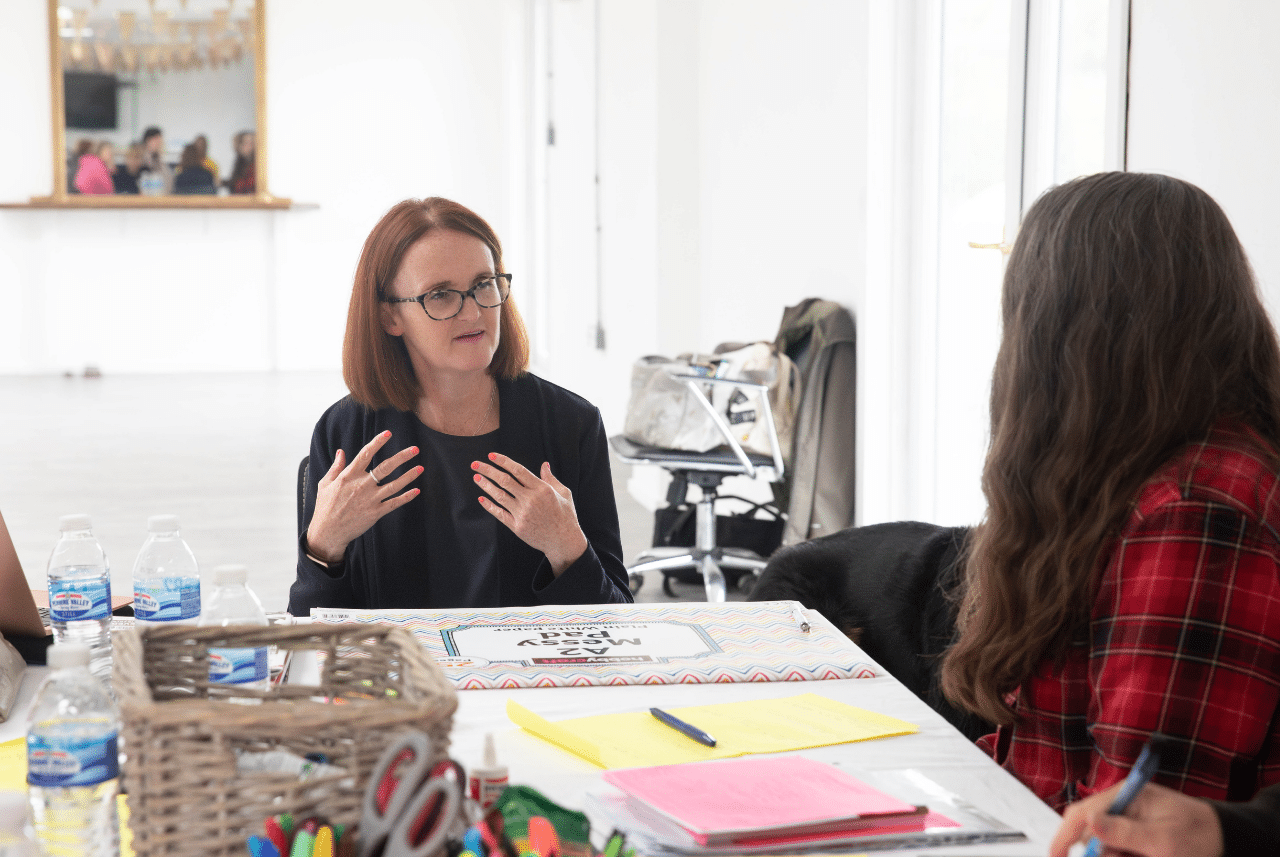
Training as an Emotions Coaching Practitioner this year has shown me a different way of working, one with far less pushing and striving, where the client does more of the work and the breakthroughs still happen.
I’m slowly letting go of the idea that everything has to feel hard to be worthwhile.
20. You can build a business around what comes easily to you
For years I assumed the value was in the effort.
What I’m learning now, through the cottage, through emotions coaching, through simply doing this work for two decades, is that some of the best things you offer are the ones that don’t diminish you.
The last few years in particular have brought some real challenges alongside all of this, a relationship ending, losing two people close to me, moving home and giving up alcohol.
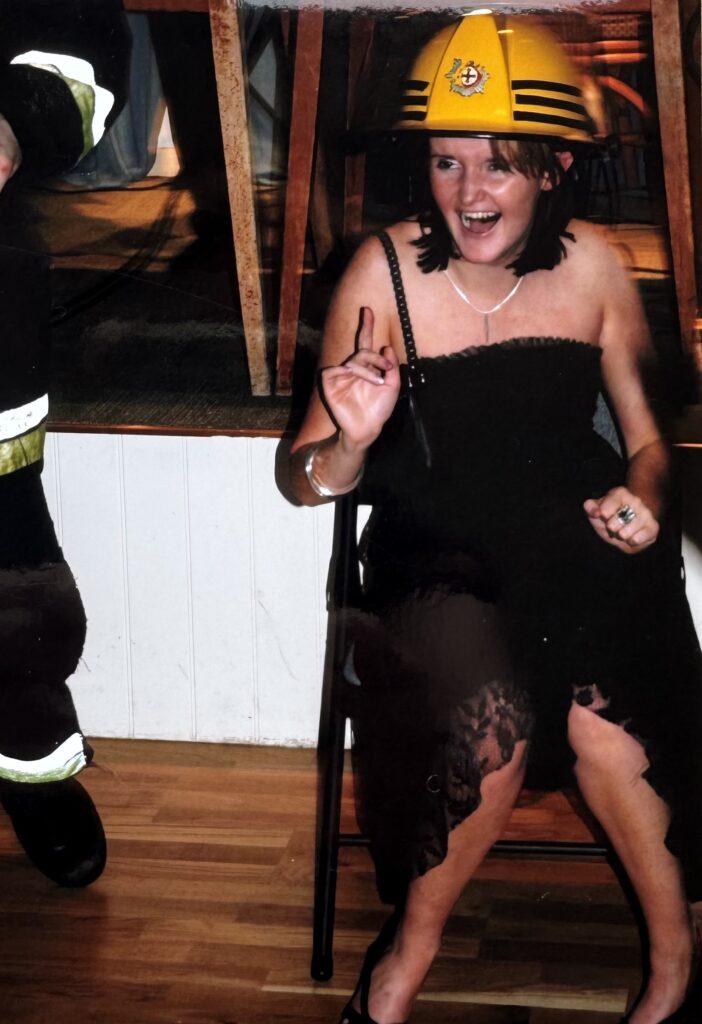
This has really changed how I am now. When I was 30, 20 years ago, it was all about the chaos of chasing stories, money, being a journalist and doing crazy things.
Now, I’m 50, I’m all about calm, helping people figure out the things that might be in the way of them feeling good about their businesses and also their lives, because they’re so closely linked.
If you’re 20 minutes, 20 days, 20 weeks, 20 months or 20 years into your own business, I’d love to know what you’d add to this list.
Further reading
How to start a pet business blog
Is my Pet Business Planner right for you
Why I am an accredited pet business coach
Using Facebook groups for press coverage with Jill Foster
Keeping up with the content monsters with Natasha Courtenay Smith
Navigating the roller coaster of running your own business
How Emotions Coaching can help your pet business