

AI is such a helpful tool and means you acquire skills you don’t already have, but should you use it to write a press release?
This is a topic that has come up a lot over the last few weeks, both using AI to write a press release from scratch, or using it to improve one you’ve written.
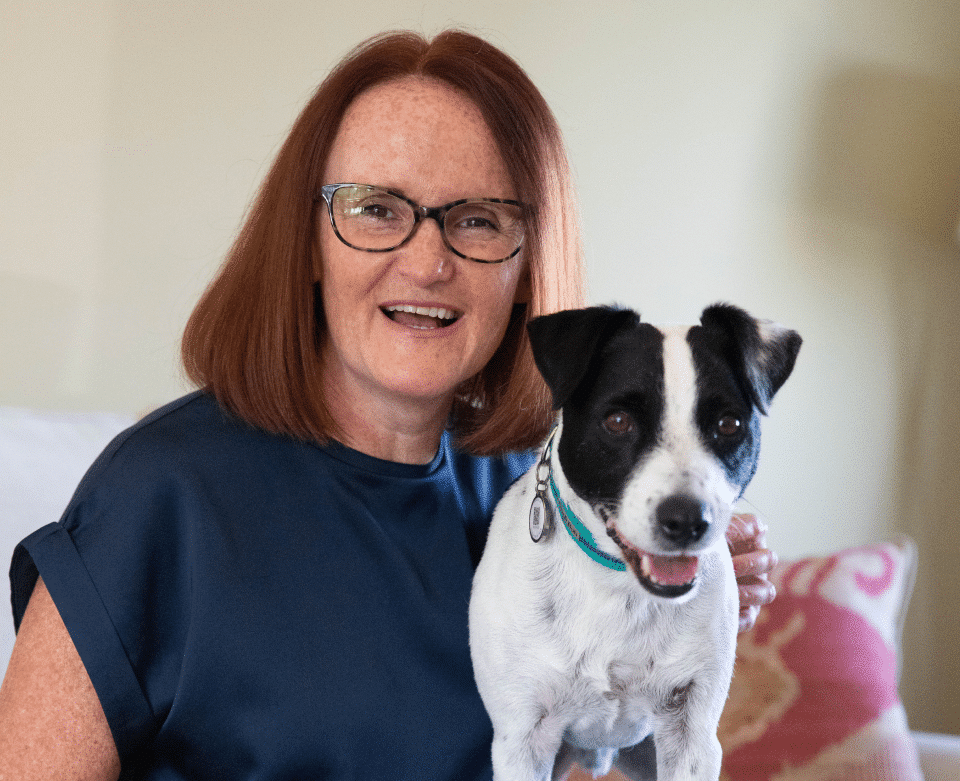
My background is journalism and I’ve worked in the industry since 1999, starting on local papers like the Widnes World and the Warrington Guardian.
I’ve worked on regional papers like the Daily Post, and national titles, as a staff reporter for the now-closed News of the World.
In 2006 I went freelance, and I’ve written for every national newspaper in the UK, and also for many women’s magazines and real life publications, as well as online outlets like BuzzFeed.
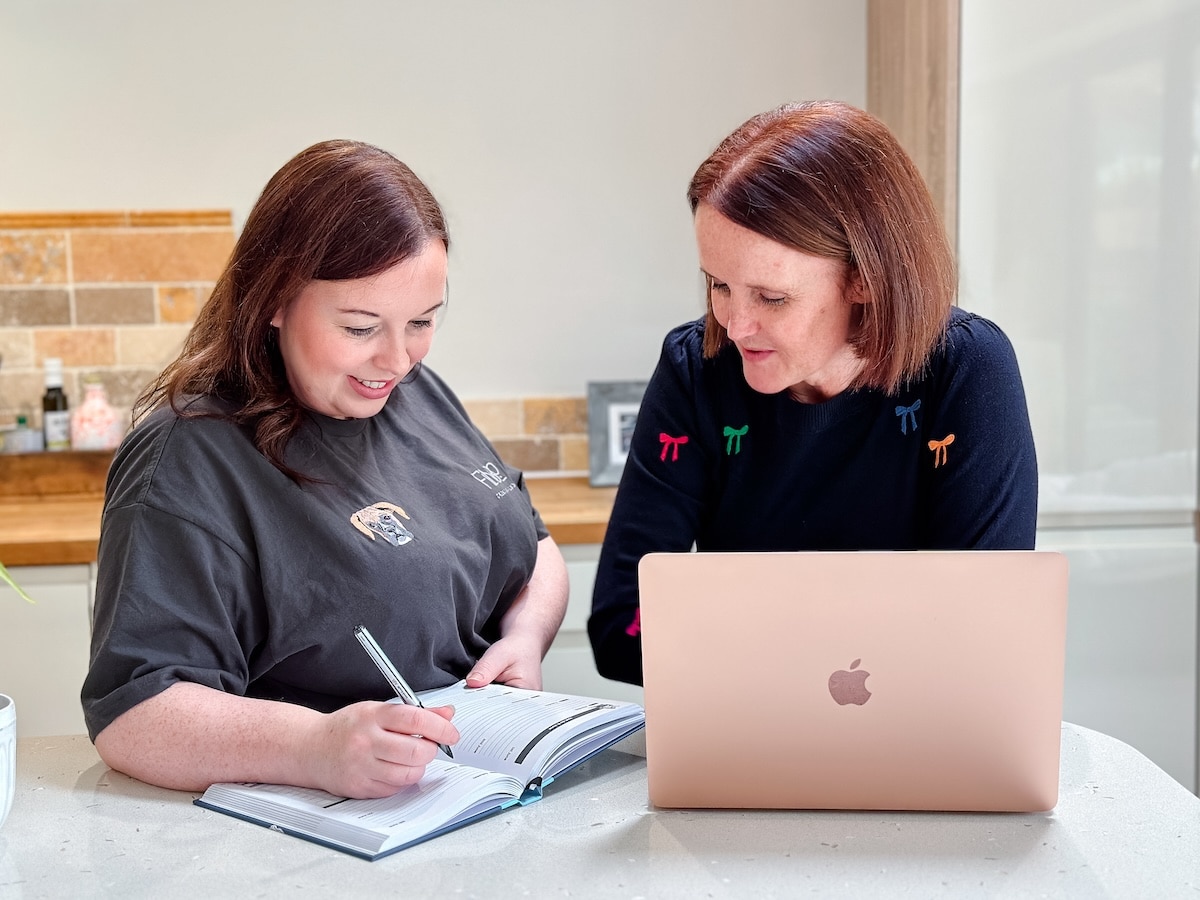
Since 2019, I’ve worked as a coach supporting people in the pet industry with getting their businesses seen, helping them approach journalists themselves to gain press coverage.
I also wrote a book in 2018, Publicity Tips for Pet Businesses, which you can buy on Amazon for just £12.99 here.
In this blog post I’m sharing some thoughts on the use of AI in writing press releases and how it can help you, and how it can hinder you.
What is a press release?
A press release is something you send to the media when you have something newsworthy to share.
This is the definition of Press Release in the Oxford Dictionary of Journalism.
“A press release is a written communication or statement provided to the media for the purpose of announcing news, events, or other newsworthy information about an organisation, business, product, or individual.”
Your press release needs to be a story. It needs to be newsworthy.
What are journalists looking for in a press release?
At the time of writing this post in 2026, there is a huge demand for content online for publications, and fewer journalists than ever to provide it.
Thanks to cuts across the industry, most titles are operating with very small teams, so if you’re able to submit a good press release, the chances of it appearing are high.
By a ‘good press release’ I mean content that can be copied and pasted by the journalist and put on a page.
So it needs to be written in the style of the publication, taking into account their readership and what they care about.
For example, if you were writing a story for the Warrington Guardian, it would need to have a strong local angle.
If you had a national story about a rise in pet obesity, the local angle would be an obese pet from Warrington, or the expert advice of a Warrington vet.
Can you give it to AI to write?
The journalist wants to see that some time, thought and effort has been put into writing the press release.
Consider that the editorial space you’re being given is free. If you had to pay for that space as an advert it would cost hundreds, thousands or even tens or thousands of pounds.
What will the journalist think if you send out something you spent seconds on, by telling ChatGPT or whatever AI tool you use ‘Write me a press release about ….’
It’s most likely they will think that you didn’t bother to take the time to consider what their readers care about and they will delete your message.
The problem with using AI to write press releases
AI doesn’t understand what readers in your specific area care about – you do. For example, I live in a village, Lymm, in Cheshire.
There has been a lot of development here, and people living here really don’t like it and want to protect their green space.
If I was writing about plans for a new dog training field, and concerns from local residents, I would include this, because I know this is a topic that will resonate.
The journalist at the Warrington Guardian would know this too, and would expect to see it. AI might miss this out.
AI doesn’t use real words people say. If I wrote a story about workers or people at a company, that’s what I’d call them, AI might call them ‘personal.’
It puts in ‘Empty intensifiers’ everywhere. So things like ‘tremendous milestone’ ‘world class system’ ‘amazing achievement.’
When you are trained as a journalist, you’re trained to leave these words out. It is up to the reader to decide if a milestone is ‘tremendous’, a system ‘world class’ or an achievement ‘amazing.’
It makes interesting things sound corporate and dull. Try it for yourself by putting in some emotional quotes about something that happened in your business that really meant something for you.
It will strip them out and replace it with boring corporate language that you would’t use.
It hallucinates. The more you ask it to work on a story or prompt to improve it, the more it will make up. This is called hallucinating so what you end up with can be completely different to what you started with.

So how can you use AI to write a press release?
This is how I use AI to write a press release as a journalist of nearly three decades.
I use otter.ai as a transcription tool. I’ll say what I want to put in the press release if it’s for me, and get everything out of my head on the topic.
Then I’ll get the transcript so I have the quotes I need and don’t need to type them up.
If I’m working with a client, I’ll interview them and get the transcript, and that’s what we start with.
I then write the intro, pull out any statistics or additional information the story needs, the angle, any local detail that’s relevant, and the ending or call to action.
Then I’ll pick out the most powerful and emotive quotes and put it all into Claude.
I’ll use the prompt ‘Please use direct quotes only,’ to help me identify the most interesting things to focus on.
The first draft will be dreadful; I’ll refine it, sometimes tweak the angle or quotes, and I’ll repeatedly say ‘Please use direct quotes only.’
I’ll usually add in an example of my writing from another published press release.
Then I’ll take what’s been written, put in a word or Google doc and edit away until I can read it and know that another journalist wouldn’t read it and think it was AI.
If you’d like to work together on this for a press release for your business, book a 60-minute session here.
Should you use AI to edit or improve a press release?
It depends. Has the press release been written by a media professional? If that’s the case, then don’t.
Just as you wouldn’t ask it to improve a hairstyle created by a professional hairdresser?
This post on LinkedIn shares an experience from a hairdresser who had a client come in and use AI in the salon to argue ‘Claude said you can put bleach on my hair and it won’t fall out!’
Read the post here: A woman got kicked out of the hairdressers for using Claude
Or you wouldn’t use it to improve a dog training plan created by the dog trainer who has met you and your dog.
As explained in the ‘problem with AI’ section, it can do things to the press release that will hinder your chances of getting it published.
How to check over your press release as a human
This will take a bit of time but will improve your skills.
Buy the publication and read the stories that are in it, and find the details of the person who covers stories similar to the one you’re sending in.
Get their contact details as they will be the best person to approach.
Google the publication and your job title.
For example, if you live in Leicester and are a Pilates teacher like my client Louise from Studio 44 Pilates, you’d put in ‘Leicester and Pilates classes/teacher’ and it would bring up previously published stories.
Make a note of the style of writing. Does yours match this?
Also, the name on the story is helpful too, you can contact them as they’ve written about the topic before.
Looking for a human to support you with your press release?
As well as being a human, I’ve nearly three decades of journalism experience to draw on and have helped over a thousand businesses secure press coverage.
These are the ways I can support you.
For FREE
Download my ‘5 Steps to Get In The Press,’ guide here.
Read and listen to my How to write a press release for your pet business podcast
For £30 a month
Join The Planner Club membership starting from August 2026 and access my Press Release training, get feedback on your press release in the Facebook group and come along to talk through your idea in our monthly Q and A session.
Join here: https://rachelspencer.co.uk/the-planner-club/
For £220
Book in for a 60-minute 1-1 session here and get your press release written and ready to send on the call.
Here are some examples of published press releases
Cats deserve more campaign launched by Warrington cat business
Sunnyside Cottage wins award from Theo Paphitis
Pilates instructor teaches her last local class after 26 years to focus on supporting runners online
Dogs in Yellow Day celebrated with dedicated anxious dog walk at Cliveden House
Further reading
How to write a press release for your pet business
How to find the best journalist to send your press release to
What’s the difference between a pitch and a press release