

Setting goals is the easy bit. Making them happen means protecting the time to work on them, deciding now what you’ll do when life gets in the way, and finishing what you start.
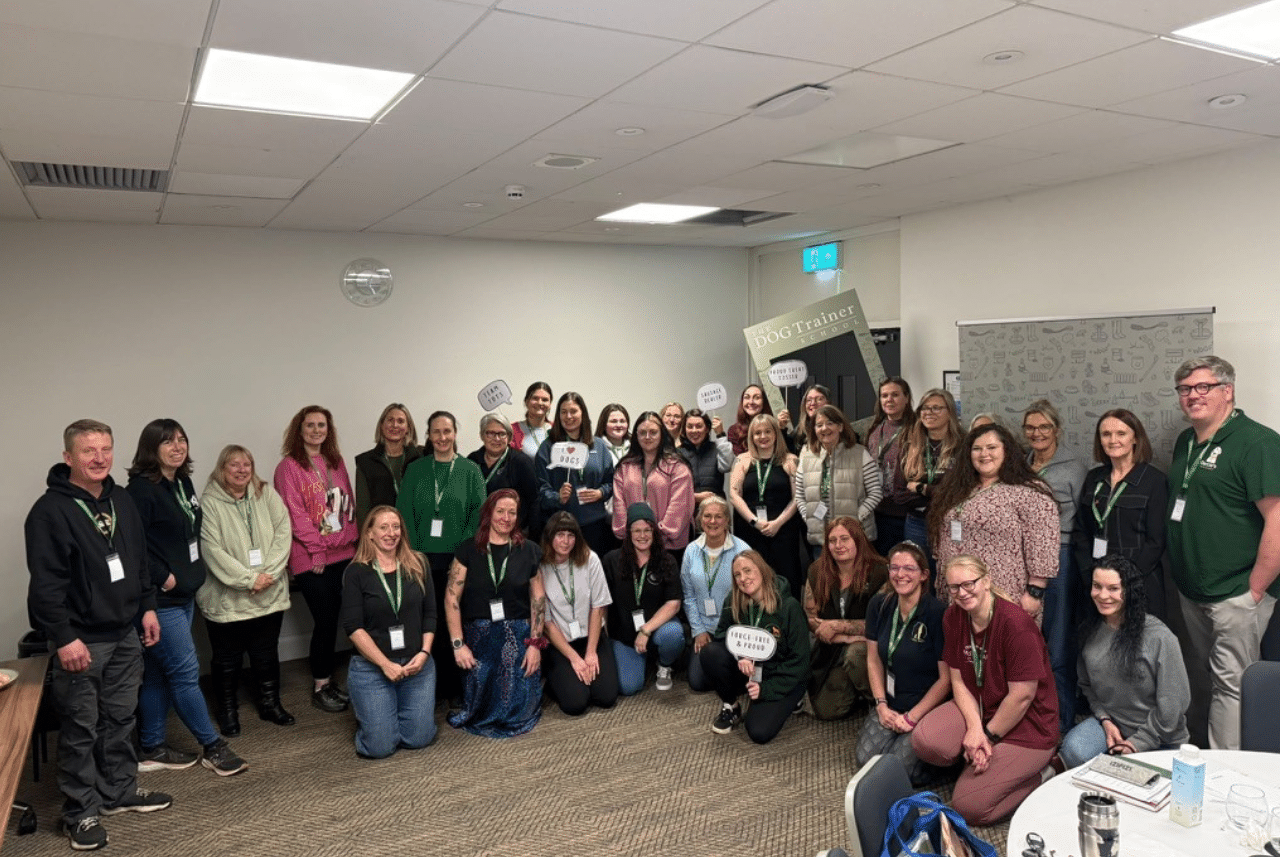
Here’s what came up when we talked about it at my Online Planning Day.
We spent the morning looking back at everything we’d achieved in 2026, and then we started thinking about 2027.
Books, podcasts, new courses, wholesale catalogues, networking groups, solo trips off grid. There were lots of brilliant goals on the list.
But it’s the same every year. We start January full of plans, and then life happens.
A client cancels, someone gets ill, the admin piles up, and the big goal gets pushed to next week, and then the week after that.
So in the afternoon, we talked about how to protect our time so these goals have a change of happening.
These are the things that came up that I think will help you too.

Decide when you’re going to work on your goal
One of the things I asked everyone to think about was when they’re going to work on their goal, and what space they need to make in their week to do the work.
Without that time set aside, a goal tends to stay on the list.
One member already has CEO days, where she steps away from the day-to-day and works on her business.
For 2027, she wants to make time for creativity and adventure in the same way, and protect it.
Going on hikes, finding new places, sketching and drawing. Things she’d let slip because she’d been so focused on work.
Another member admitted she’s “so bad at giving away my admin days” and this is something we can all relate to.
A client asks if you can squeeze them in, and suddenly the day you’d set aside for your stuff and having a bit of space to get on top of things has vanished.
But if you can protect your admin day, or even half a day, the things that need doing get done, and you’re not trying to catch up at 10pm.
It works for your wellbeing goals too. Time for yourself only happens if it’s in the diary.
For one of our members, that’s going off grid on her own with a pile of books, so she isn’t being pulled in different directions by everyone else for a while.
Another finished the day looking through her diary to find time to keep working on her plan, because she didn’t want to go into January scrambling like she does every year.
So get your diary out and block out the time now, before everything else fills it up.

Plan for when life gets in the way
Even with the best intentions, things will come along and throw a spanner in the works. So on the day, I shared a method that helps you decide what you’ll do before it happens. My tagline for it is “what to do when things turn to poo”.
It’s called the WOOP method, and it was created by psychologist Gabriele Oettingen. WOOP stands for:
- Wish: the goal you want to achieve
- Outcome: how it will feel when you’ve done it
- Obstacle: what’s likely to get in the way
- Plan: what you’ll do when that obstacle turns up
Let’s say your wish is to start a podcast and publish an episode every week.
The outcome is how it will feel to open the podcast app on a Tuesday morning and see your episode sitting there alongside Davina McCall and Mel Robbins.
In an ideal world, you’d always have episodes recorded, edited and ready to go.
But there will be obstacles because at some point you’ll get a cold and won’t be able to talk for coughing and I know this from six years of having a podcast, or an interview guest will pull out at the last minute.
So your plan is your “If this, then that”.
If I’m ill or a guest cancels, then I’ll put out a short solo episode instead.
You might keep a list of topics you can talk about at the drop of a hat, or have a couple of solo episodes recorded and in the bank.
Or say your goal is to give a talk in a Facebook group every month.
If you’re ill, or you can’t get childcare, then you’ll send a recorded version of the talk for the group to watch instead.
The point is you’ve already made the decision. So when life happens, you don’t lose a week working out what to do, or let the whole goal slide.

What to do when the obstacle is you
Sometimes the thing getting in the way is us. We avoid the task, and then we feel bad about avoiding it.
The first thing that helps is working out why you’re avoiding it. If you’re tired, go and get some rest.
If there’s a skill you need and don’t have, you know you need to ask for help or find a way to learn it.
When I’m stuck with writing, I go for a walk or a run and think about the blog post while I’m moving. By the time I get back, I’ve usually got it written in my head, and I can sit down and type it out.
Members shared some brilliant tips for the jobs they find boring or keep putting off:
- Set a timer for 15 minutes and tell yourself you can stop then and do something fun
- Do one tiny thing to move it forward, so you feel like you’ve made a start
- Batch your social media posts when you’ve got the brain power, rather than forcing it on a set day
- Ask AI to interview you about a topic, so your posts are still in your own words
- And reward-based training works for humans too (wine and chocolate were both mentioned)
Get better at saying no
One member said the two things most likely to knock her off course were getting overwhelmed by all the other bits and pieces, and not being very good at saying no.
Every time you say yes to something else, that’s time that isn’t going towards working on your goal.
Saying no to some things means you keep your focus on the things that matter most to you.
Another member said knowing what you don’t want is half the battle: “People say, oh, I can’t plan, and you think, ‘Yes I am planning, because I’m planning what I don’t want to do.'”

Tell someone about it
This one sounds simple, but it makes a big difference. When Niki French was writing her latest book, Stop Walking Your Dog Volume 2, she told people about it.
So she had people asking how she was getting on with her book, and how she was getting on with her goal of having it in people’s hands by October, and her launch party, which was brilliant!
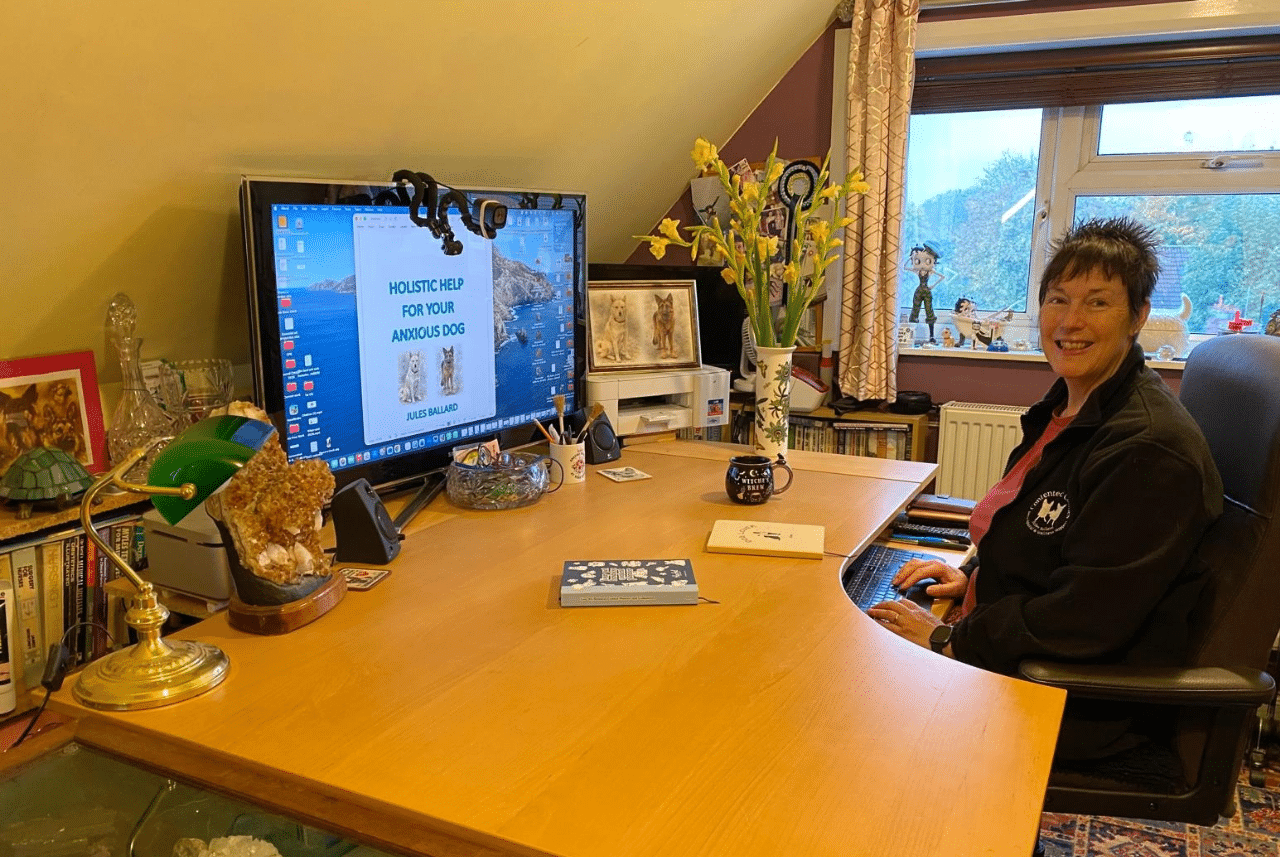
Jules Ballard felt the same when she shared the book she was writing on one of my membership calls. As she told me in my interview with her: “Saying it out loud to two strangers and a friend meant I was committed to finishing.”
You don’t have to announce it on social media. Telling one or two people who’ll check in on you is enough.

Finish what you start (or decide not to)
On the day, I asked who’d ever started the year with about 20 different things they were going to do. The answer in the chat was “every year”.
We’re business owners and creative people, so we’re always going to have lots of ideas.
What helps is thinking of each one as a loop:
- Have the idea
- Start the idea
- Finish the idea
- Celebrate
The celebrating is the step most of us skip.
When Niki’s book came out, she had a launch party, and being in that room with all that love for her was a really important part of it.
That feeling is what tells you, “I did that, so I can do the next thing too.” It builds your trust in yourself, because you said you’d do something and you did it.
And if you decide not to do an idea, that’s fine too. Cross it off and celebrate the fact you’ve made a decision.
Maybe you planned to run a marathon and then broke your ankle meaning it’s just not possible and that’s ok.
What drains your energy is having lots of unfinished loops hanging around, making you feel guilty every time you look at your list.

Protect your time with other people around you
Protecting your time is a lot easier when you’re not doing it on your own.
In The Planner Club, we have a planning call at the end of every month, where we look at what’s coming up and what you want to focus on.
Straight after, there’s a coworking session, so you plan, then do the work, with other pet business owners working alongside you.
It’s protected time in your diary every month, and a room full of people who’ll ask how you’re getting on with your goal.
If you’ve got a big goal for 2027 and you’d like some support to make it happen, come and join us in The Planner Club here.
Related posts
What is The Planner Club and should you join
Why we set goals and forget them
How to make a plan that fits with your goals, strengths, skills and energy