

Have you ever experienced the ‘Peer Fear?’
This is where you want to talk about the work you do or share something you feel passionately about, or even even simply talk about what you know.
But something stops you, and it’s the fear of what other people in your industry might think, aka The Peer Fear.
If you’re nodding along, maybe it’s because you’ve folders full of half written posts, saved as drafts, opened and closed a dozen times, never feeling ready to let them go out into the world.
I know how much the Peer Fear can hold you back, because I’ve had it too.
It’s one of the Words for When exercises I included in the 2026 Pet Business Content Planner, and since it went out I’ve had more conversations about it than almost anything else in there.
In this blog post, I explain what the Peer Fear is, why it happens, and how you can move through it, plus some thoughts on the topic from a podcast I did with Katrina Bayliss, the Neurodivergent Dog Coach.
What is the Peer Fear?
The Peer Fear happens when we create content with our peers in mind, instead of the pet owners we’re here to help.
Maybe you’ve spent hours creating posts or videos or resources that never see the light of day as you’re scared of looking like you’re dumbing stuff down.
Or maybe you’ve shared something helpful for pet owners, only to have a peer leave a catty comment. But it’s not your fellow dog trainers who you should be worrying about.
It’s the person sitting there with an anxious dog, or feeling stuck when it comes to being visible, who needs to hear from you. And if they can’t see you, they can’t get the support they need.
Why people experience the Peer Fear in the pet industry
I’ve experienced the Peer Fear when I moved from freelance journalism to coaching and it’s one of the many reasons why I trained as a coach, because I worried what other coached might think.
And I see it a lot in the communities I run and are part of. People come and join my calls, or come and chat to me, and say, ‘I really want to say this, but I can’t, because I’m scared.’
Often it’s the people who are relatively new in the business and the industry can be brutal at times.
People care passionately about the animals they support, and about doing things right. Everyone thinks they’re doing a good job and everyone is doing their best.
Whether it’s the prong collar debate or people calling force free trainers snowflakes, there’s so much going on, and no matter what stage you’re at in your career, sticking your head above the parapet is scary.
I once spoke to a lady who does canine massage. She has degree level knowledge of anatomy, and was worrying that telling owners something as simple as, this will help your arthritic dog, sounded too basic to be worth saying.
But the dog owner with the arthritic dog doesn’t need the anatomy explaining – they need to know it will help their dog move better.
That’s not performing for other canine massage therapists or vets. That’s answering the person who needs support, and it’s exactly the same for you.
What happens when the Peer Fear takes hold
This can lead to two things.
Either you post nothing, because you’re too worried about what other pet pros might think.
Or you post something full of jargon that does nothing to help the people who need your support, because they haven’t got a clue what you’re talking about.
And when that happens, they get confused, give up, or go elsewhere.
Underneath both responses is the same feeling, that you’re not quite enough, that you’ll be found out, that it’s safer to shrink than to be seen.
I’ll admit I’ve got things sitting in my own drafts folder too, half finished posts about breakthroughs or imposter syndrome that I’ve talked myself out of sharing more times than I’d like to say.
The posts we get the peer fear about are so often the ones that feel a bit too basic or a bit too honest but they’re really valuable.
If you’re hovering over the send or post button wondering whether you can really say this, that’s usually a sign that you’ve created something good that’s worth sharing.
Who misses out thanks to the Peer Fear?
While you’re busy worrying about what another dog trainer thinks of your post, that person is still out there, still stuck, still scrolling at midnight for an answer you already have.
If you’d put that post out, you could be the person they’d be messaging, you could pick it up in the morning, and have a new client.
Your content is not for other professionals. It’s for the regular pet owner, and they will see themselves as an owner too, not a guardian, who wants to do the best by their furry family member.
They need to know you can solve the problem they’re experiencing right now, and feel reassured you’re there if they need more support.
How to reframe the Peer Fear
As Brené Brown says: “If you’re not in the arena also getting your ass kicked, I’m not interested in your feedback.”
Unless someone is putting themselves out there too, being brave, sometimes taking a kicking themselves, their opinion doesn’t count.
So when the peer fear kicks in, and you’re worried about what other pet pros might think, remember, it’s not for them.

Other things that can help with the Peer Fear
Having comeback can help, and I included some in this year’s planner.
Consider having a few lines worked out in advance, so if someone says this, I know I’ll say that, rather than freezing in the moment.
In the Words for When pages in the planner, you have space to put your responses plus a few suggestions, so you’re not scrambling for the right words when it actually happens.
Also, surround yourself with supportive people who will lift you up and encourage you when you’ve things you want to share that you feel passionately about and say ‘yes you can!’
What happens when you push past the Peer Fear?
Once you stop writing for other pet pros, you start connecting with the people who need you and the right people recognise themselves in what you share and get in touch.
You start doing the work you actually want to be doing, rather than the diluted version you’d been putting out to avoid criticism.
And sales follow too, not because you’ve found a clever formula, but because the people who needed you could finally hear you or see you.
Next time you catch yourself hovering over the publish button, worrying about who from your industry might see it, have a think about who’s scrolling past because you didn’t.
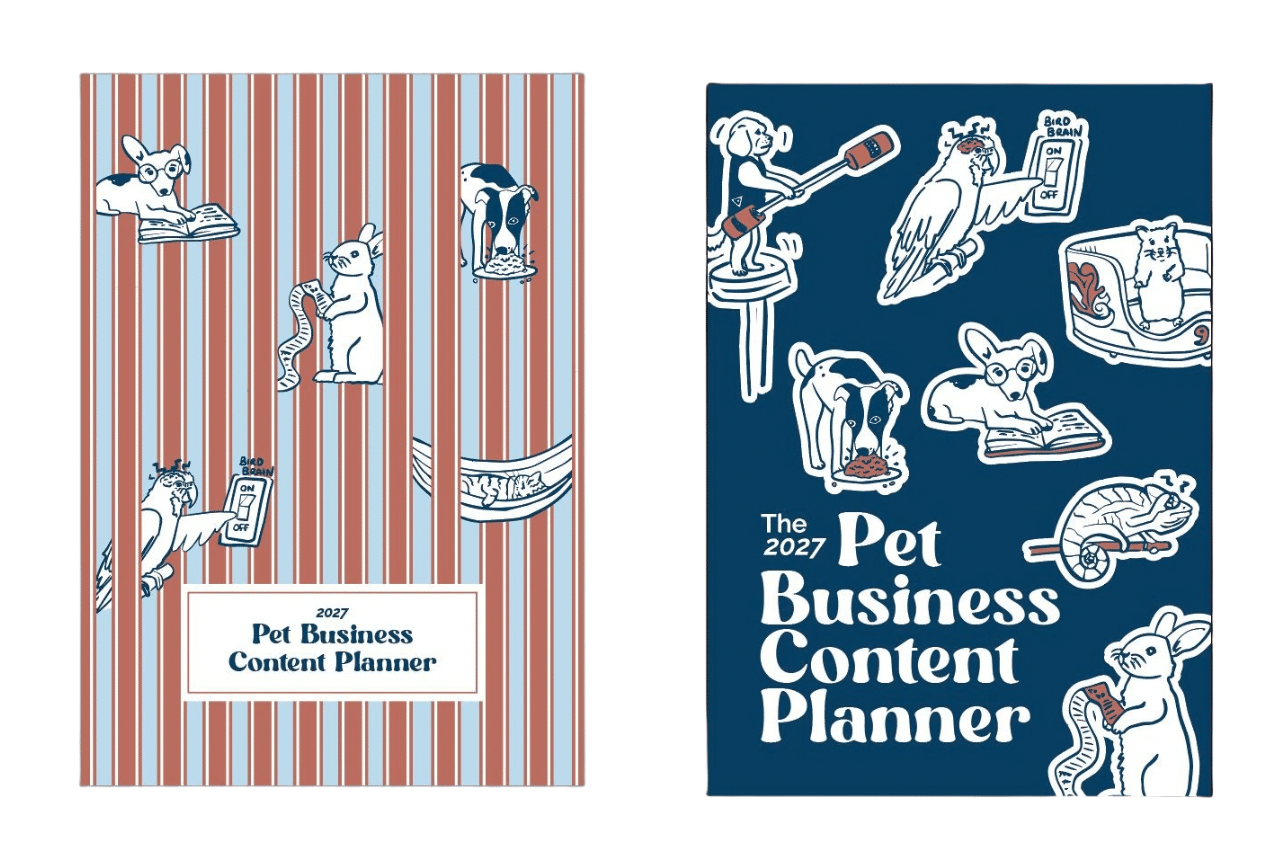
If this is the kind of resource you’d find helpful, the 2027 Pet Business Content Planner is on sale now and you can get your copy here for £30 plus P&P: https://rachelspencer.co.uk/product/pet-business-content-planner-2027/
There’s also The Planner Club opening up alongside it, extra support built around the planner and you can join The Planner Club here.
Further reading:
Why I am an accredited pet business coach
Building confidence as a pet professional
How to deal with criticism from other people in your industry